

As demand accelerates, this concentration amplifies exposure to supply disruptions, price volatility, and trade-related risk. The U.S. response has been clear: domestic refining capacity must be built.
Stardust Power is building it – at scale, in the United States.

The Concentrated Risk
China currently controls most global lithium processing. As demand accelerates, this imbalance increases exposure to supply disruptions, price volatility, and shifting trade dynamics. In response, the United States and its allies are prioritizing the development of domestic refining capacity to reduce reliance on foreign processing and strengthen supply chain resilience. Stardust Power is positioned to support this transition by building large-scale lithium refining capacity in the U.S.
~
0
Million Tons
Project Demand by 2030
Projected global lithium demand by 2030 as energy storage, infrastructure and electrification scale.
(source: Fast Markets Q1 2026)
~
0
Projection
Supply Deficit Deepens (2027–2028)
Global lithium markets are expected to enter a supply deficit starting in 2026 as demand begins to outpace available supply.
(source: Fast Markets Q1 2026)
~
0
%
Battery Share of Lithium Demand
Batteries are expected to account for ~90% of total lithium demand by 2030, driven by energy storage, infrastructure, and mobility applications.
(source: Fast Markets Q1 2026)
The Broadening Case for Lithium
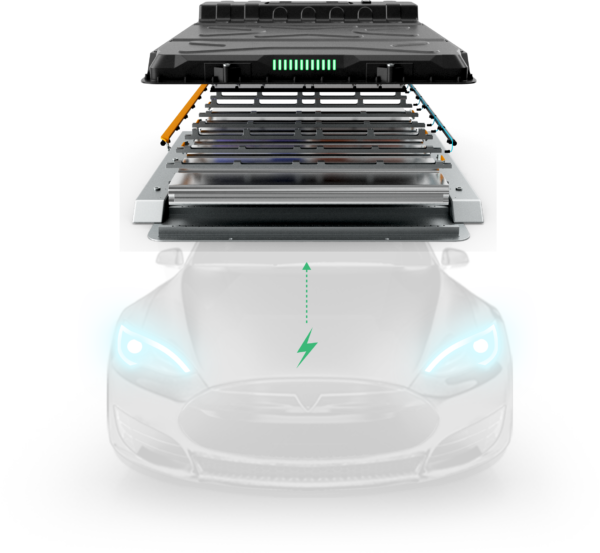
Demand for lithium is expanding beyond transportation, indispensable to grid-scale energy storage, data center infrastructure, and defense-related applications. These sectors are increasingly central to energy security and industrial resilience, reinforcing the importance of reliable battery supply chains.
The constraint is not upstream supply alone, it is the ability to refine lithium into battery-grade materials. This processing capacity remains concentrated globally, introducing structural risk into critical supply chains.
National Security and Domestic Capability
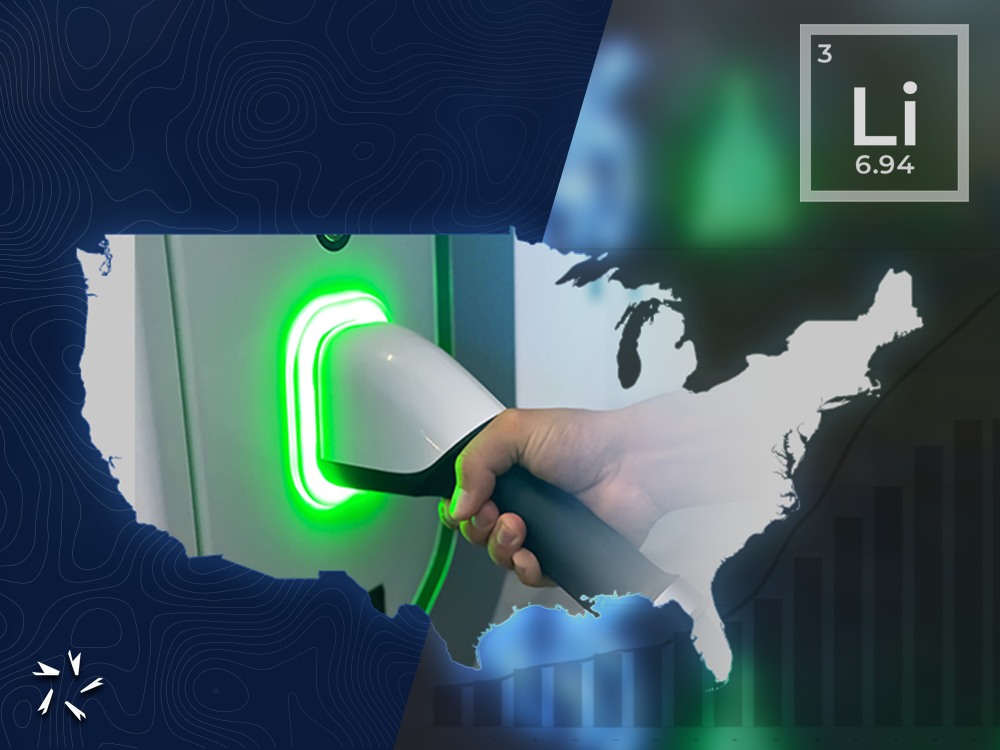
Control of battery materials is increasingly tied to national security. With lithium refining capacity concentrated outside the United States, supply chains remain exposed to geopolitical and trade-related risks. Onshoring refining capacity is critical to reducing reliance on foreign processing, supporting domestic manufacturing, and creating high-quality industrial jobs.
Stardust Power is developing U.S.-based lithium refining infrastructure to help secure supply, strengthen domestic capability, and support long-term energy and industrial resilience.